How investors buy gold and what fuels the market

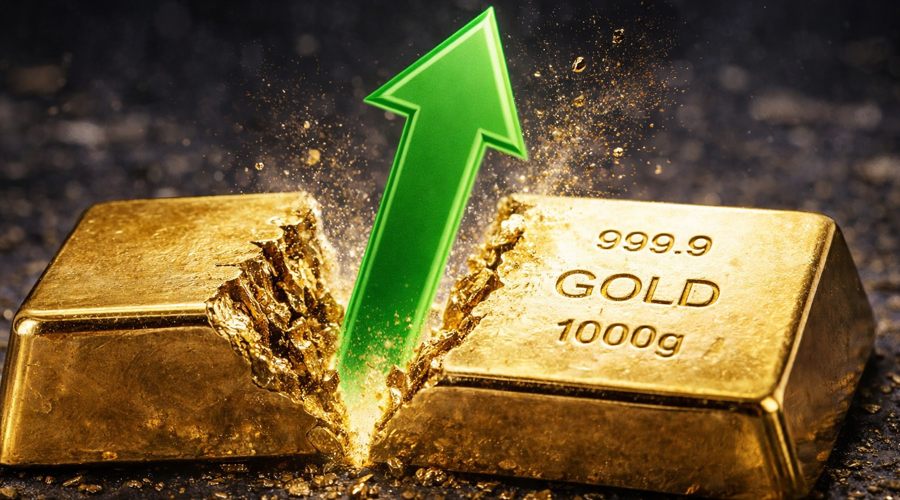
Dec 23 (Reuters) - Gold broke above the $4,500-an-ounce mark on Wednesday, buoyed by expectations of looser U.S. monetary policy and lingering geopolitical tensions that have driven the price to a string of record highs.
Bullion, a classic safe haven during periods of economic and political uncertainty, touched a record $4,525.19 earlier in the session.
The price has vaulted more than 70% so far this year, its biggest annual rise since 1979, driven by a mix of safe-haven demand, bets on U.S. rate cuts, robust central-bank buying, de-dollarisation trends and ETF buying.
SPOT MARKET
Large buyers and institutional investors usually buy gold from big banks. Prices in the spot market are determined by real-time supply and demand dynamics.
London is the most influential hub for the spot gold market, largely because of the London Bullion Market Association. The association sets standards for gold trading and provides a framework for the over-the-counter market, facilitating trades among banks, dealers, and institutions.
China, India, the Middle East and the United States are other major gold trading centres.
FUTURES MARKET
Investors can also get exposure to gold via futures exchanges, where people buy or sell a particular commodity at a fixed price on a particular date in the future.
COMEX (Commodity Exchange Inc), part of the New York Mercantile Exchange, is the largest gold futures market in terms of trading volumes.
The Shanghai Futures Exchange, China's leading commodities exchange, also offers gold futures contracts.
The Tokyo Commodity Exchange, popularly known as TOCOM, is another big player in the Asian gold market.
EXCHANGE-TRADED PRODUCTS
Exchange-traded products or exchange-traded funds issue securities backed by physical metal and allow people to gain exposure to gold prices without taking delivery of the metal itself.
Inflows into physically backed gold exchange-traded funds totalled $64 billion year-to-date as of October, according to World Gold Council data, with a record $17.3 billion added in September alone.
BARS AND COINS
Retail consumers can buy gold from metals traders selling bars and coins in a shop or online. Gold bars and coins are both effective means of investing in physical gold.
CENTRAL BANK GOLD RESERVES
Central banks hold gold in their reserves. Central-bank demand has been robust in recent years because of macroeconomic and political uncertainty.
More central banks plan to add to their gold reserves within a year despite high prices, the World Gold Council said in its annual survey in June.
Global gold demand rose 3% year-on-year to 1,313 metric tons in the third quarter of 2025, the highest quarterly total on record, as investment demand surged, the World Gold Council said in late October.
China kept adding gold to its reserves, with its holdings totalling 74.12 million fine troy ounces at the end of November from 74.09 million at the end of October, extending its buying spree for the 13th month in a row.